All New
GPS ProAll New
GPS Pro
The golden standard
GPS

All New
GPS ProThe golden standard
GPS
30 Years of Proven Precision Trusted by global experts, our telemetry is engineered for the most demanding environments and absolute recovery confidence.
When you are not actively needing your equipment is a great time to have us check, clean, and test your equipment.


From the Learning Center
Recommended field guides and reference books, handpicked by our team to help you get the most from your gear.
 RF pulses · 434.055 MHz
The Receivers Listens
A beeping tone from the speaker. A needle showing signal strength. No screen to squint at — you read it like an instrument, because it is one.
14%
Marshall GPS · Turbo RF + GPS Telemetry
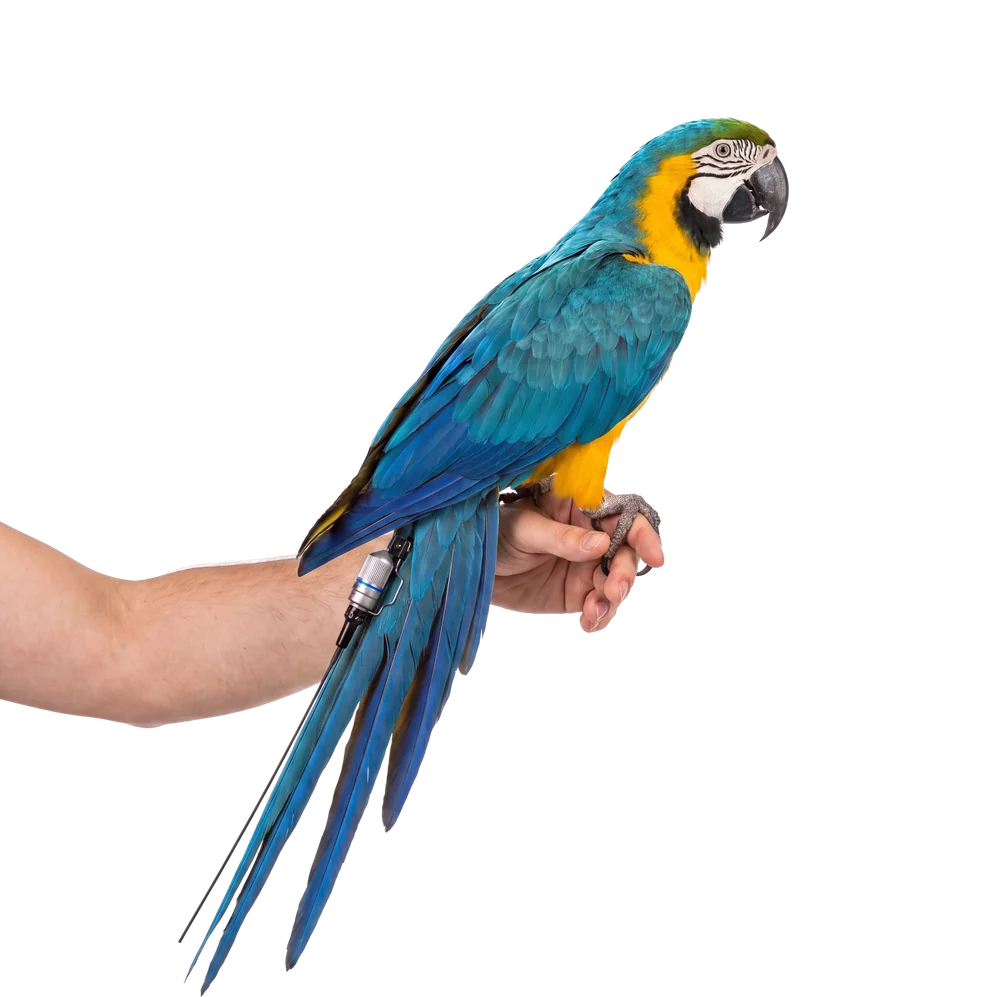
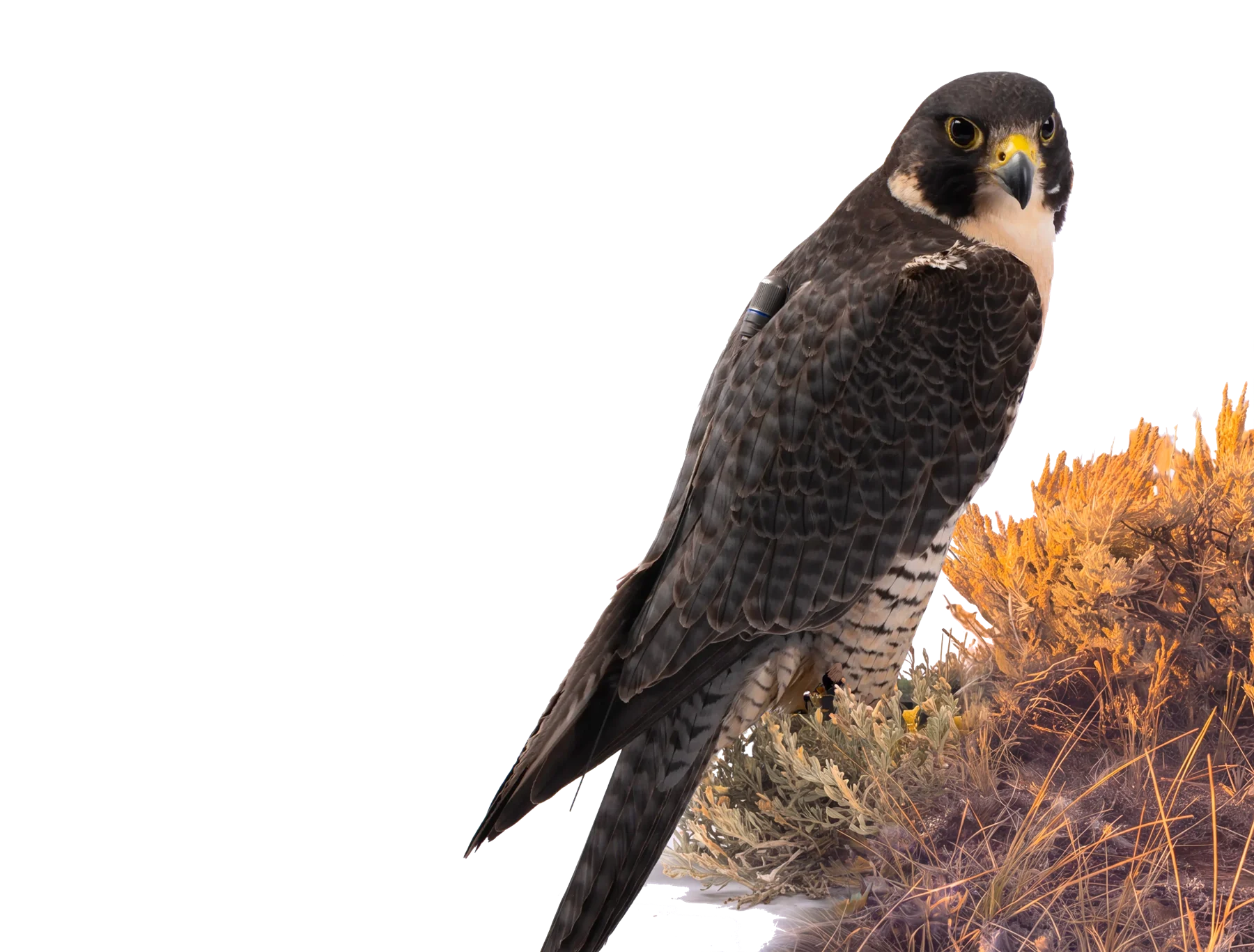
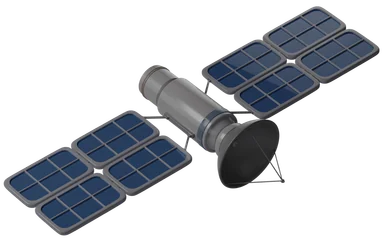
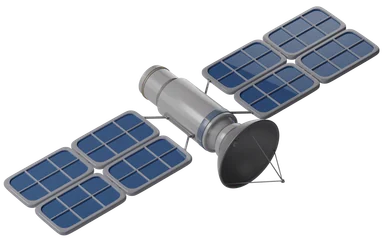
Every GPS transmitter sends two signals: a live GPS track to the PocketLink, and a traditional UHF RF beep to your Field Marshall receiver. How far each reaches comes down to terrain — and your bird's altitude.
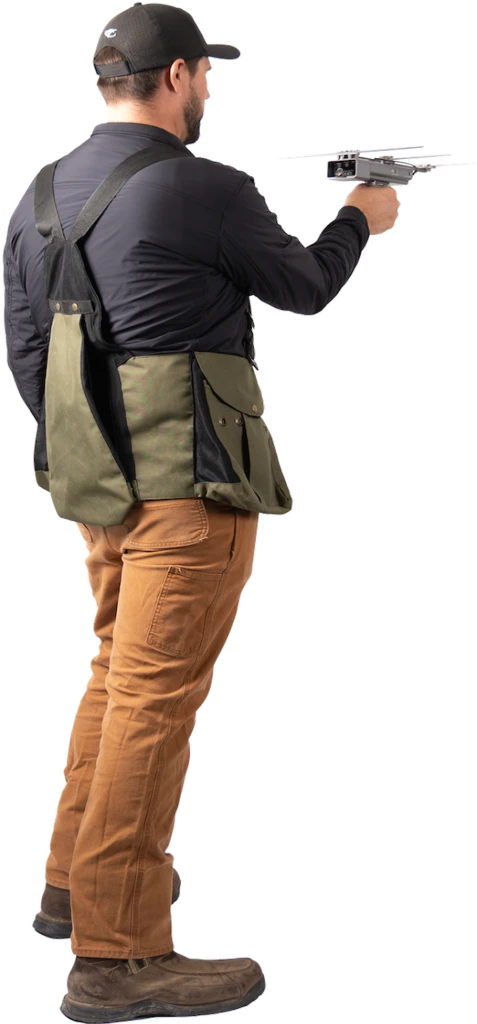
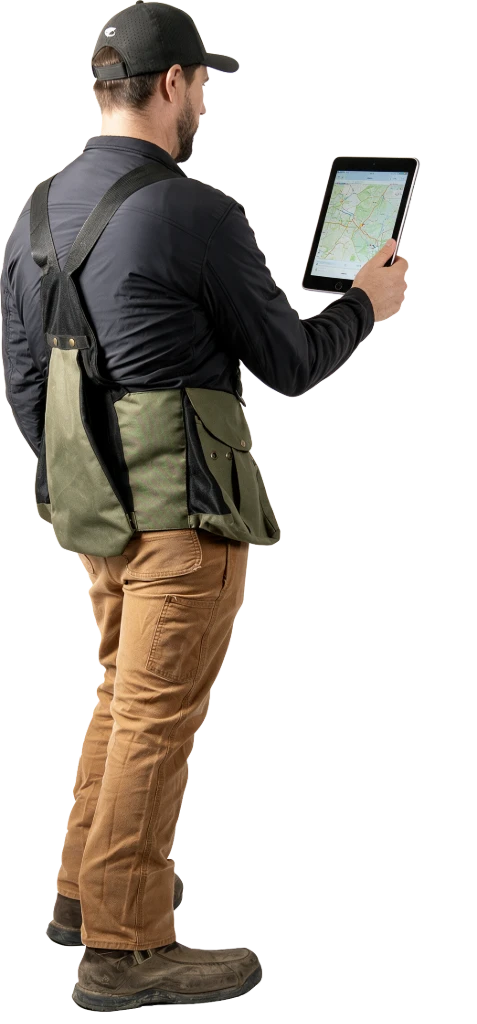
 You + Field MarshallYou + PocketLinkBird
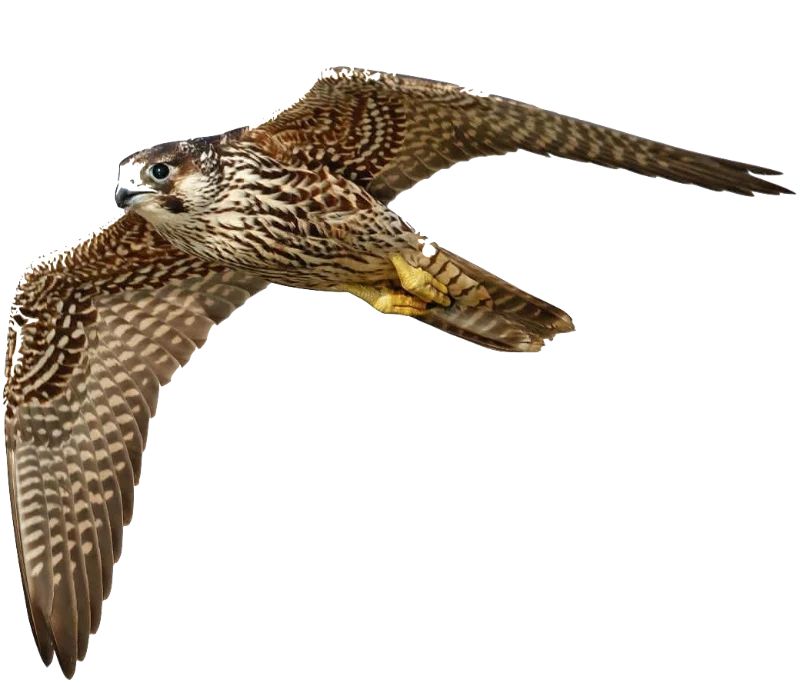
* Distances quoted using the optional High Gain Omni antenna; varies with terrain, the bird's height above ground, and obstacles.
** When tracking the traditional "beeping" telemetry signal with the Field Marshall UHF Direction Finding Receiver.
Remove any dirt, debris, or buildup accumulated from the previous hawking season before packing your gear away.
Store all equipment in a cool, dry area where it remains safe from dust, dirt, and grime accumulation.
Take out batteries before storage, lightly clean the contacts using rubbing alcohol on a cotton swab, and wipe down the exterior with a damp cloth.
Inspect antennas carefully and replace any unit that is kinked, damaged, or exposing internal metal filaments.
Store batteries in a cool, dry place—using vapor-proof containers in humid areas—and isolate them so they cannot touch, short-circuit, or overheat.
Charge all rechargeable batteries to 100% prior to long-term offseason storage in addition to keeping them in a cool, dry location.
Ship your equipment within 3–4 weeks of purchasing service; unreceived items without an update will be automatically refunded by week 4, requiring re-payment if sent later.