All New
GPS ProAll New
GPS Pro
The golden standard
GPS

All New
GPS ProThe golden standard
GPS
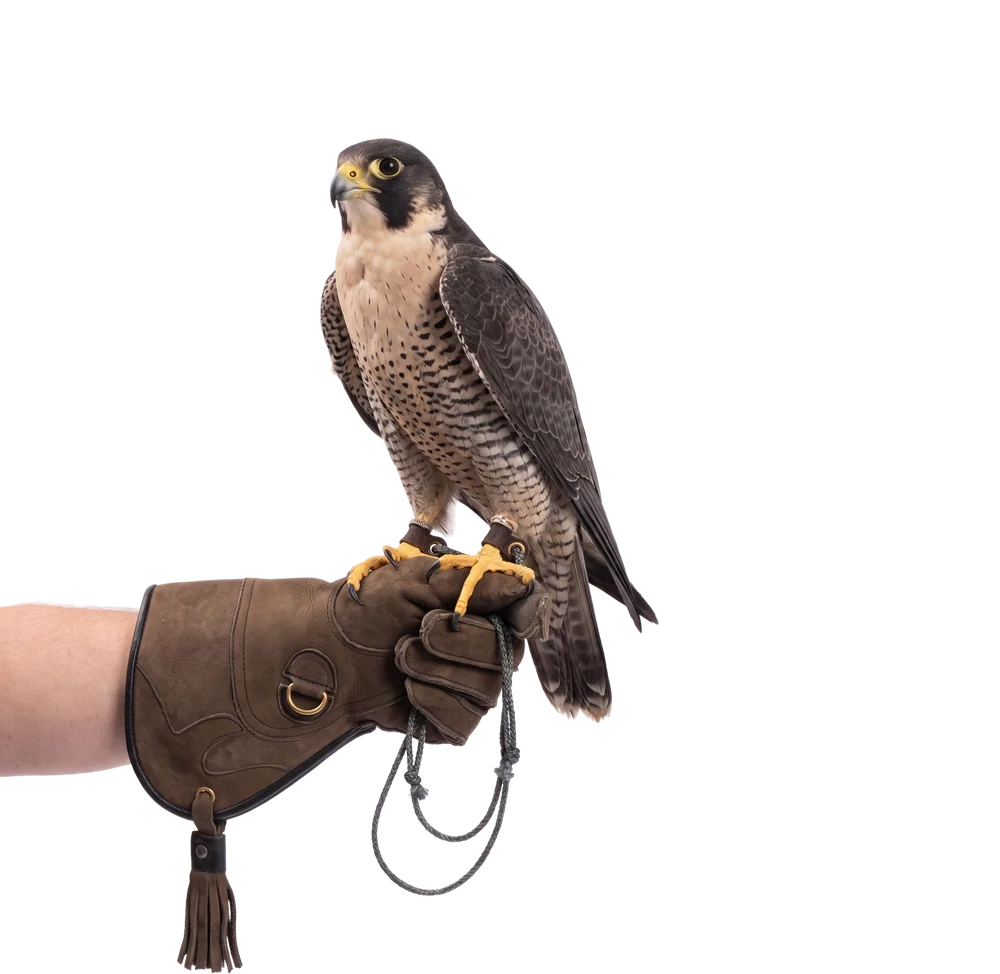
Veteran falconer Steve Gendron reflects on over 30 years of hunting sage-grouse in southern Wyoming at the "House of Grouse." He highlights how the evolution of radio telemetry—specifically real-time GPS tracking—has fundamentally changed the safety, training dynamics, and longevity of a falconer's career.
"I would never fly without it. It's going to extend my falconry career by a number of years because of the information that it gives me."
Flying long wings after sage-grouse in Wyoming means birds can easily end up miles away out of visual range. Gendron explains how the Marshall GPS system has eliminated the panic of tracking by showing real-time speed, height, and flight paths directly on his smartphone. This data helps him make critical decisions, such as standing his ground when a bird a mile and a half away begins flying back. The GPS has also reshaped his training style; instead of waving his glove when his bird lands (which rewards the bird for sitting), he simply waits in his car with a cup of coffee until the app shows the bird has taken off. Most importantly, the GPS has kept his birds safe from predators. While Gendron lost ten birds to golden eagles ("black dragons") during his three decades of using traditional telemetry, he has not lost a single bird since adopting the Marshall GPS system.